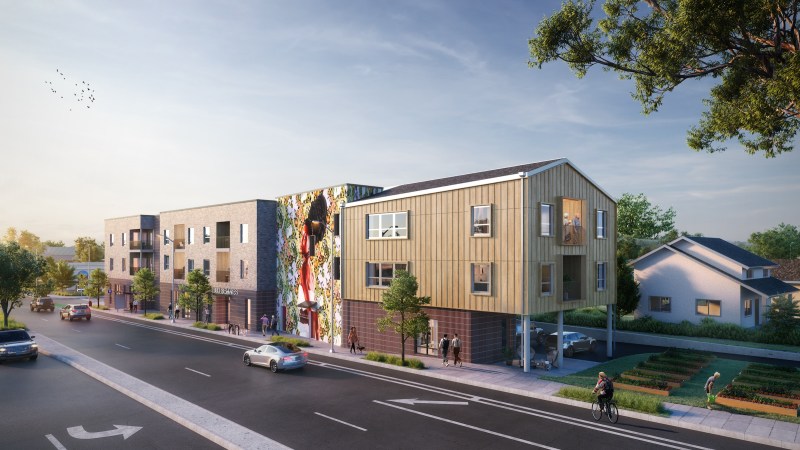
The days of “build it and they will come” are over; today’s renters know what they want and are willing to pass on housing that doesn’t fit their lifestyle. Whether they’re tech-junkies, pet parents, or lifestyle-driven renters by choice, modern residents seek more than just an in-unit dishwasher. They’re looking for a purpose-built community that acts as an extension of how they live, work, and recharge.
But here’s the challenge: Designing for everyone is designing for no one. Success in multifamily development hinges on a deep understanding of your target renters and what drives their choices. Then, creating a sense of place with these nuances in mind. By blending data-driven insights with targeted, forward-thinking design, multifamily developments can deliver exactly what their ideal renters are looking for. The result? Higher occupancy, stronger retention, and a competitive edge in a market that rewards those who design with purpose.
Market Trends: What’s Driving Demand Today?
The National Multifamily Housing Council (NMHC) reports that 75% of residents prioritize amenities when deciding to rent or renew their lease. That same survey found that renters would be willing to increase their rent for better amenities—especially those that support wellness, remote work, and social connection. From coworking spaces to an integrated connection to nature, things that were once luxuries are transitioning to everyday essentials.
Developers paying attention to evolving renter preferences are seeing measurable returns in occupancy and rent premiums. According to the National Apartment Association, properties that underwent renovations to include in-demand amenities saw occupancy rates increase by 0.55 percentage points within three months, and an additional 1.15 percentage points after six months. But the impact doesn’t stop there. By offering high-demand amenities, properties can command rent premiums—an average of $77 per unit for community amenities and $52 per unit for unit-specific upgrades. Combined with a 1.15% increase in occupancy at a 200-unit property, this translates to a potential $25,800 in additional annual revenue.
But not all amenities are created equal, and not all renters want the same things. Amenities targeted to specific resident types see their own unique return on investment. Fitness centers boost tenant retention by 6% to 8%, particularly among younger renters. Pet-friendly amenities increase renewal likelihood by 18% for pet owners. Greystar’s 2024 Design Survey Report states that those who do prefer furnished apartments—such as young digital nomads—would pay an average premium of $105 per month to live in a furnished apartment as opposed to an unfurnished apartment. That all adds up.
Understanding Your Ideal Resident: Who Are You Designing For?
According to Zillow’s 2024 Consumer Housing Trends Report, today’s typical renter is younger (median age 39), more racially diverse, more likely to identify as LGBTQ+, and more likely to have a pet than the general adult population. They’re also less likely to be married or have children. But demographics are just the starting point. To truly design with purpose, it’s important to consider psychographics: lifestyle choices, work habits, and social priorities.
Location plays a pivotal role, too. A property near a growing university might serve Gen Z renters in a transitional phase of life, while developments in suburban towns with older populations or near medical hubs might attract renters prioritizing aging-in-place.
Personas can help bring this strategy to life. Here are three examples:
- The Digital Nomad: A remote professional who’s constantly on the go but craves stability.
- Gen Zen: Health-conscious, sustainability-minded, and experience-driven.
- The Empty-Nester Explorer: Often in their 60s or 70s, this renter is downsizing but not slowing down.
Each persona represents a different phase of life and a unique set of priorities. But remember, designing for a clear audience doesn’t mean excluding others—it means curating a home that resonates with your most likely renters.
Strategies That Align With Resident Needs
Baskervill
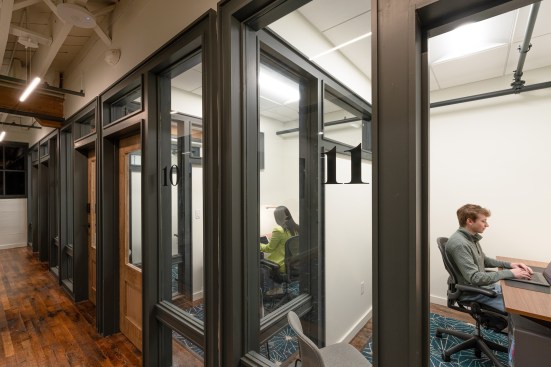
Creative, on-site coworking spaces deliver the high-tech flexibility remote workers crave.
1. The Digital Nomad: Work-Life Balance
Remote work isn’t a trend—it’s the new norm. Nearly 30% of the U.S. workforce works remotely at least part-time, according to the U.S. Census Bureau in 2024, and renters are reimagining their homes as office adjacent. The kitchen table won’t cut it; flexible layouts, high-tech coworking lounges, and soundproof pods can turn a residential building into a productivity destination.
Baskervill
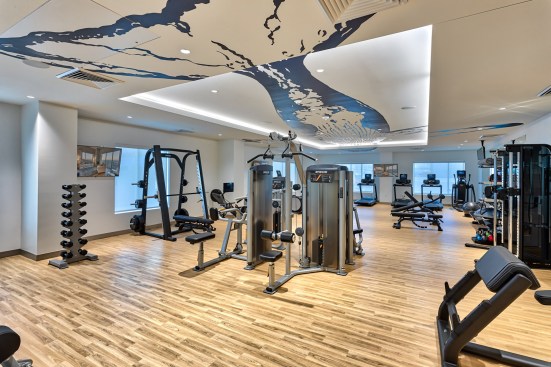
Integrated fitness centers elevate wellness from an amenity to a core experience.
2. Gen Zen: Wellness-Driven Living
For wellness-conscious renters—especially Gen Z—health starts at home. That means incorporating biophilic design principles like natural materials, expansive windows, and indoor-outdoor connections. Strategic integration of daylighting, air purification systems, low-VOC materials, and wellness-certified finishes contribute to a more pleasant indoor experience, while features like yoga terraces and fitness centers signal an extra level of care from property owners.
Baskervill
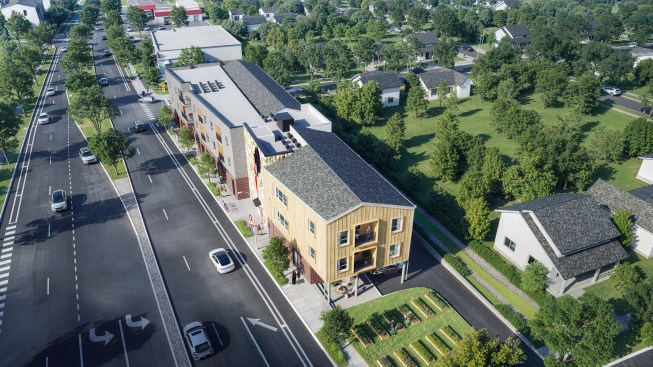
Community gardens gives residents a tactile connection to nature while creating a shared space that ties the development to the surrounding neighborhood.
3. Empty-Nester Explorer: Community-Centric Spaces
Empty nesters have spent decades with community built into their homes—raising families, hosting holidays, and creating routines around shared space. But as children move out and priorities shift, many are looking to downsize their living arrangements without sacrificing connection. Community gardens, murals showcasing local talent, and walkable site plans allow architecture to pick up where family life left off: with spaces that invite togetherness and belonging through placemaking.
Successful multifamily developments aren’t about chasing trends—it’s about making intentional choices that align with who your residents are and how they want to live. Architecture is the foundation of that strategy. From site orientation to unit layout and amenity programming, every design decision sends a message about who the space is for, helping residents see themselves in the unit before they ever step foot inside. In a crowded market, clarity is currency. Design with intent, and the right residents will find you—and stay.