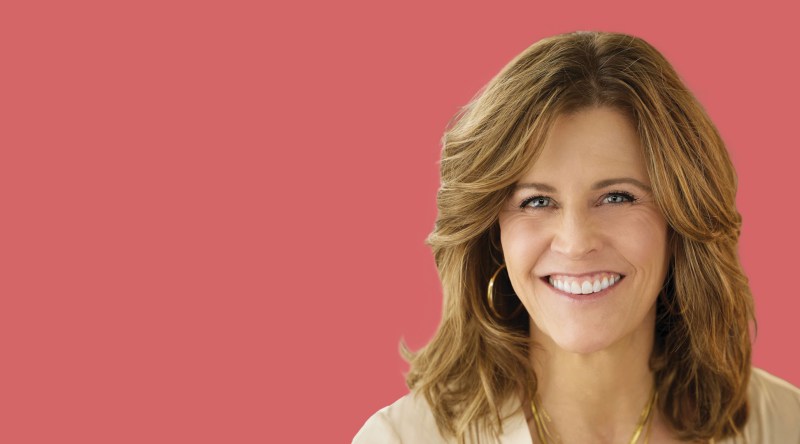
Marcie Merriman is a cultural anthropologist and business strategist who helps organizations lead through disruption driven by generational change, cultural evolution, and emerging technologies. With over 25 years of experience, she is known for turning human insights into actionable strategies that drive brand relevance, innovation, and long-term value.
At the Multifamily Executive Conference, Nov. 4 to 6, in Newport Beach, California, Merriman will connect the dots between emerging generations, evolving expectations, and the technologies that are reshaping the world and the businesses operating in them. Prior to her keynote presentation, she offers some insights to guide multifamily leaders.
You talk about the collision of generational shifts, societal change, and technology—what’s one surprising way this is showing up in how people want to live today?
A shift many don’t see coming is that the same generation that grew up tethered to their smartphones is now deliberately choosing to unplug. They’re trading Netflix binges for board game nights and digital books for physical pages and independent bookstores.
Gen Z and beyond are hungry for “deep living,” meaning a deeper more meaningful and intentional engagement with their everyday lives. It’s like we’ve been surviving on digital fast food—quick, convenient, but ultimately unsatisfying—and now we’re craving a home-cooked meal for the soul.
This isn’t at all about rejecting technology entirely. People still demand seamless technology to deal with life’s less desirable tasks: paying bills, getting directions, getting loans, buying cars, managing health care, and replenishing basic necessities. But they’re creating deliberate spaces for deeper connections, often without electronics.
In this, we are seeing the greatest growth in bookstores in decades, the explosion of board game cafes globally, young professionals choosing hiking groups over happy hours for networking, community gardens with waiting lists, and swapping out dating apps for social clubs.
While the younger generations may be more vocal about it, people across generations are seeking quality over quantity in relationships, possessions, and experiences. The businesses that recognize this hunger for authenticity and meaning, while still delivering modern efficiency, will build the strongest customer loyalty in the years ahead.
How can multifamily leaders build teams and cultures that can thrive amid constant societal and generational change rather than just react to it?
Trust is a baseline requirement for success today and into the future. Without it, leaders spend most of their time putting out fires and putting bandages on issues. The desire for trust is behind the authenticity Gen Z says they crave. In my research, authenticity is constantly the most important attribute they strive for in themselves and seek in others—with 90% of 18-to-24-year-olds prioritizing it globally above all else.
This isn’t a “nice to have” for younger employees. It’s the foundation that makes teams adaptable and resilient when everything around them is changing.
Examples of what leaders can do: model vulnerability, create cross-generational learning pairs, and provide transparent decision-making—explaining the “why” behind changes or the implementation of new technologies.
When people trust their leaders are genuine, they stop spending energy trying to figure out hidden agendas. That mental energy gets redirected toward solving problems and embracing new challenges. Trust can become your competitive advantage.
Gen Z represents a growing share of renters. From your research, what resonates most with this generation, and how can housing providers authentically meet them where they are?
Gen Z’s rental preferences are shaped by the same forces driving their craving for authenticity and deep living—and it could create some surprising priorities for multifamily properties.
Let’s look at how that might play out:
- Community over amenities: For example, prioritizing a genuine, non-chain, neighborhood coffee shop with employees they can get to know over a fancy rooftop pool.
- Spaces that support deep living: Apartments with good natural light for reading and analog activities and kitchens designed for actual cooking, not just microwave reheating.
- The tech paradox: While they expect fast internet, reliable cellular, easy rent payment and maintenance request systems, and smart locks for efficiency, they are turned off by gimmicky “smart” everything or communities that only exist in apps.
Bottom line: You’ll increasingly see Gen Z choose a slightly older building with character, genuine community, and trustworthy management over a brand-new luxury complex with fancy amenities but no soul. They’re looking for places that help them live more deeply and authentically, which means multifamily properties need to think beyond square footage and granite countertops to what actually makes a place feel like home—the people.