
The Central Business District, driven in part by the city’s push for downtown living, gained four new high-rise residential towers. Market rental rates at these projects averaged $2.19 per square foot. In addition to apartment high-rise development, condo towers further changed Austin’s downtown skyline. Among them is the famed Austonian, now the tallest residential building in Texas. (For more on The Austonian.)
Fast Facts: Austin

Population: 1.7 million
Average age: 32.6
Median income: $59,221
Average rent: $832
Occupancy: 93.6%
Unemployment: 7.1%
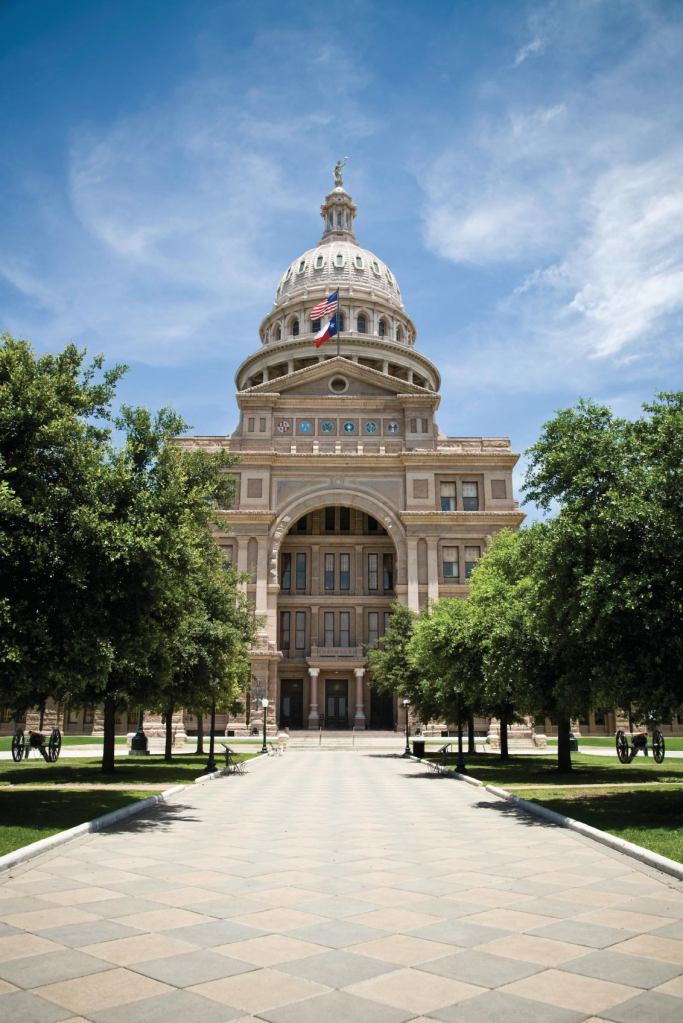
Notable: Lured by job opportunities—27 companies moved their headquarters to Austin in 2010—people in the 18-to-44 age range make up half the city’s population. And they enjoy a hip urban lifestyle to boot. The city is known as the “Live Music Capital of the World,” thanks to more than 100 live music venues. Austin is also home to North America’s largest urban bat population: More than 1.5 million Mexican freetail bats live under the Congress Avenue Bridge. But it’s still a Texas city, where everything really is bigger—Austin houses the largest state capitol building in the United States, with the dome standing 7 feet taller than the U.S. Capitol.
Sources: Texas State Data Center; Greater Austin Chamber of Commerce; Austin Investor Interests; Texas Workforce Commission
As of press time, more than half of the units at the four newest condo buildings had been sold or were under contract. Many thought the timing of the recession and tightened lending environment would ultimately be the downfall of the downtown condo experiment, but all signs point to steady sales ahead as the units are being snatched up by young singles, empty-nesters, and second-home buyers.
NEXT UP
With all this positive momentum, investors are being drawn back to Austin. Long a favorite market for asset managers, investors used to joke about how much they had to overpay to get an asset in Austin. But once the recession took hold, sales volume came to a near stop.
However, in 2010, Austin began to see sales volume return, driven in part by two reasons: Capital raised for distressed sales was never really able to be deployed, and owners are now able to realize profits when they sell. The vast improvement in the market fundamentals has allowed owners who at one time had watched their equity evaporate now sell and actually realize a profit.
At the same time, Austin did not experience the level of distress that other parts of the country did, so sales volume quickly returned for stabilized, Class A assets, with more than half of the sales occurring in this property class. The average sales price per unit for Class A product was $130,551 for the trailing 12-month period. And most investor interest continues to be in Class A and well-located Class B product with value-add opportunities. Meanwhile, cap rates have returned to lower levels, with one recent sale being reported in the mid–4 percent range.
With steady market fundamentals, investors flush with equity will remain active in Austin for the foreseeable future. So if you find yourself walking the streets of Austin in the next year and you see someone with a giant grin, you’ll know one of two things—either the Longhorns are winning, or you just saw an Austin apartment owner.