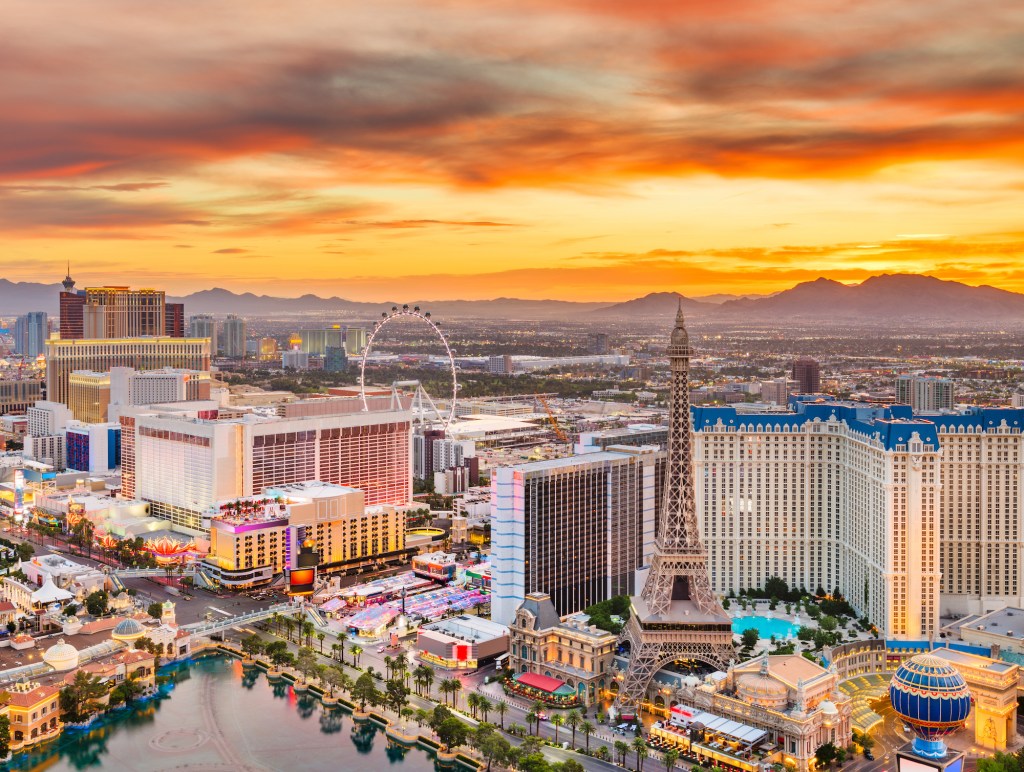
Las Vegas’ multifamily market had been a winner during the pandemic, with in-migration driving demand, occupancy, and rent growth. The metro’s population has been steadily increasing over the past decade, with Sin City gaining 19,090 residents in 2021. In March 2022, it was one of five metros with year-over-year asking rent increases of 23% or more and had an occupancy of 94.49%, according to Yardi Matrix.
However, like most of the nation, fundamentals are decelerating. In February, occupancy dipped slightly to 92.42%. Asking rents also were down -1.6% on a year-over-year basis in March.
“The Las Vegas multifamily market continued to post mostly healthy, albeit depreciating fundamentals, with substantial
investment activity and a robust construction pipeline,” says Doug Ressler, manager of business intelligence at Yardi Matrix. “Rent growth contracted. Las Vegas is the 28th largest multifamily market with 180,066 completed units and 32,612 units in development, 9,725 of which have broken ground. New lease asking rents are at $1,464, down -1.6% from the previous year, placing Las Vegas at 127th overall in year-over-year rent growth.”
According to Ressler, the Las Vegas multifamily market had a 20-year streak of positive absorption that was broken in 2022. Multifamily housing demand has been negative with -2,116 net units absorbed over the past 12 months, down -4,621 units from the previous year’s gain of 2,505 absorbed units.
However, he says the bright spot for the market is current year-over-year absorption has seen an uptick and occupancy remains healthy, although another month or two of data will determine whether a trend is occurring.
What does concern him about the market is the insufficient development of affordable supply. Over the past five years, the majority of the multifamily completions have catered to the luxury lifestyle segment with completions for renters by necessity comprising a much smaller share.
Ressler also says his other concern about multifamily development in Las Vegas, along with other desert metros like Phoenix, is water security.
“With all these homes and buildings, there’s a big concern that water security is going to be dicey,” he says. “The cost of water already is going up, and the ability to provide water is being dramatically impacted. I think it’s going to have an impact on development in general.”