Amy Groff, chief operating officer at the National Apartment Association, is urging multifamily owners and operators to understand their insurance policies and mitigate risks during peak hurricane season.
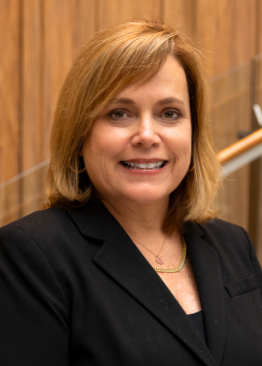
Amy Groff, chief operating officer, National Apartment Association
“It’s hurricane season, so it’s top of mind. Honestly, all of the natural disasters impact our industry significantly, increasing operating expenses and affecting housing affordability,” Groff says.
Insurance costs are driven mainly by all natural disasters, particularly hurricanes. When COVID hit, insurance premiums on average went up 50% from 2020 to 2021 and continued to increase, with some slight stabilization seen this year. However, Groff adds that with cyclical rates, she hopes premiums will settle in; however, another bad hurricane season could drive them up again.
“It’s important that we focus on taking the right measures to mitigate risks at our properties and put plans in place to work with insurance brokers to make sure we can control expenses on properties due to rising premiums,” she says.
Groff provides several tips for owners and operators during hurricane season or any time of year:
• Maintaining a safe property: Groff recommends working closely with insurance brokers to understand what can be done to lessen risk. This can include installing cameras, trimming hedges and preventive maintenance such as ensuring roofs are in good repair and all lighting is updated. “All of that is important to keep insurance premiums down and protect your assets,” she notes.
• Looking to technology: Artificial intelligence (AI) can assist owners and operators in performing routine tasks as well as mitigating risk. Some of the routine tasks include using AI tools to streamline information on the ways you’re mitigating risk to submit to insurance brokers, which can help reduce premiums. This can include AI-enabled cameras that can send automated messages if a triggering event occurs or water leak detection technology.
• Understanding your insurance policies: Groff urges owners and operators to review the deductibles they are paying for liability and property insurance to make sure they have the right coverage. “You can’t just purchase the plan, then leave it and forget it,” she says. “It is something that needs to be looked at on an annual basis.” With assets growing in value and premiums rising during the past several years, it’s also important to look at how the property is being valuated and if the right coverage is in place for the valuation.
• Preparation is key: If your property is in the path of a hurricane or other natural disaster, it’s critical to have a plan in place. Groff notes communication with residents is a priority to make sure they understand where to go in the building if there is an emergency as well as when they need to evacuate. It’s also important to prepare the property by ensuring outdoor furniture and everything on the roof has been secured and that lighting is working.
“It’s a holistic approach to risk management,” she adds. “Making sure that it is part of your business plan can help mitigate risks. Respond efficiently and effectively. When an incident such as a hurricane does occur, work hand in hand with your insurance broker through the incident and claims process.”