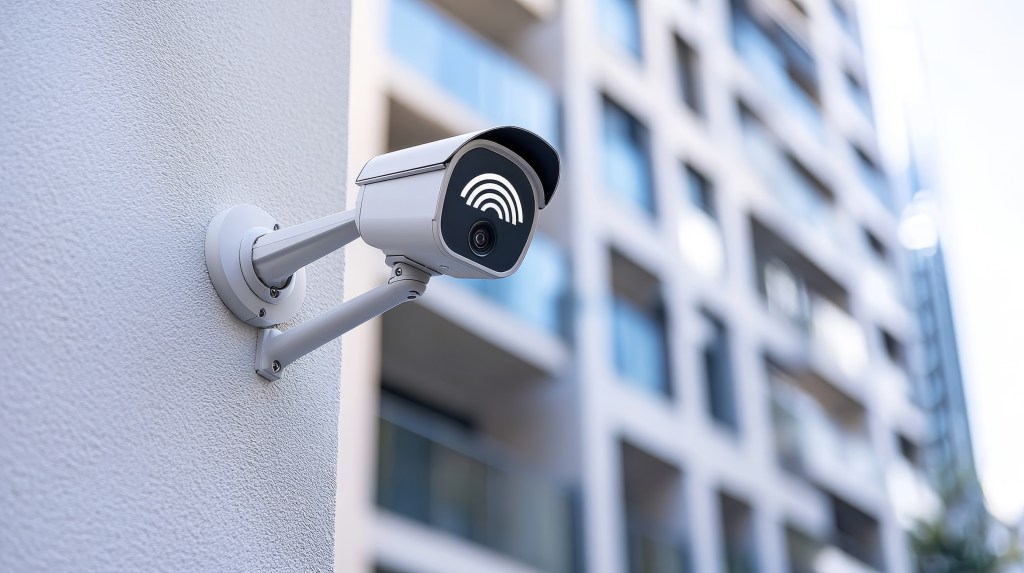
New changes came for large multifamily communities in Maryland’s Prince George’s County earlier this summer. As of June 1, a new law required apartment buildings over 100 units and senior housing facilities to install and maintain 24/7 surveillance cameras at each exterior door.
The legislation provided a list of requirements as well as incentives for owners and property managers. In addition to the installation of 24-hour security cameras, 30 days of video storage must be maintained and managed by landlords or property managers; $500 fines will be handed out for failure to repair or maintain cameras; and each property can receive a $5,000 rebate to help offset installation costs. While the law went into effect June 1, owners and property managers have six months to comply or up to one year for older properties.
When the bill was passed, Council vice chair Wala Blegay said the “benefits outweigh the costs,” with the presence of visible security deterring criminal activity and reassuring residents about their safety in the community.
Prince George’s County isn’t the only jurisdiction implementing laws around security for multifamily communities. Florida enacted mandates requiring crime prevention through environmental design assessments that is no more than three years old completed for properties by Jan. 1, 2025, as well as proper crime deterrence and safety training to employees.
According to PointCentral, a smart-home automation firm, these actions are likely just the start.
“Security expectations in multifamily have fundamentally shifted. While safety and security have always been a foundational resident (and human) need, technology that was once considered premium, such as connected access management, perimeter video surveillance, and artificial intelligence-based monitoring is now the standard. And, in response, we’re starting to see policy catchup,” says Nate Wysk, general manager at PointCentral.
A survey from SmartRent earlier this summer reinforced renters’ concerns about security, with 69% of respondents saying networked security cameras are very important or somewhat important when considering a new property. In addition, Gen Z was the most frustrated about the lack of security in their current rentals, with 21% of them flagging it as a key concern in the survey and 72% having the strongest interest in smart technologies like networked security cameras.
“The new legislation in Prince George’s County, for example, shouldn’t be brushed off as just another local law. It should be interpreted as a sign that municipalities are aligning with what residents have been asking for: visible, proactive safety measures that give them peace of mind in their homes,” adds Wysk. “When you combine meaningful public incentives, like the $5,000 rebate, with the operational improvements such as quicker incident reduction, less reliance on expensive physical patrolling, and 24/7 property coverage, the return on investment becomes clear.
“Compliance may be the logical starting point, but the real goal is creating safe, informed, and efficient properties where people feel safe in the place they live and work, allowing these communities to truly thrive.”