
Despite this positive recalibration of the condo space, there are still a number of challenges plaguing the condo sector—namely, how to execute on distressed and fractured projects, as well as what to do in this increasingly challenging underwriting environment. Turn and Burn
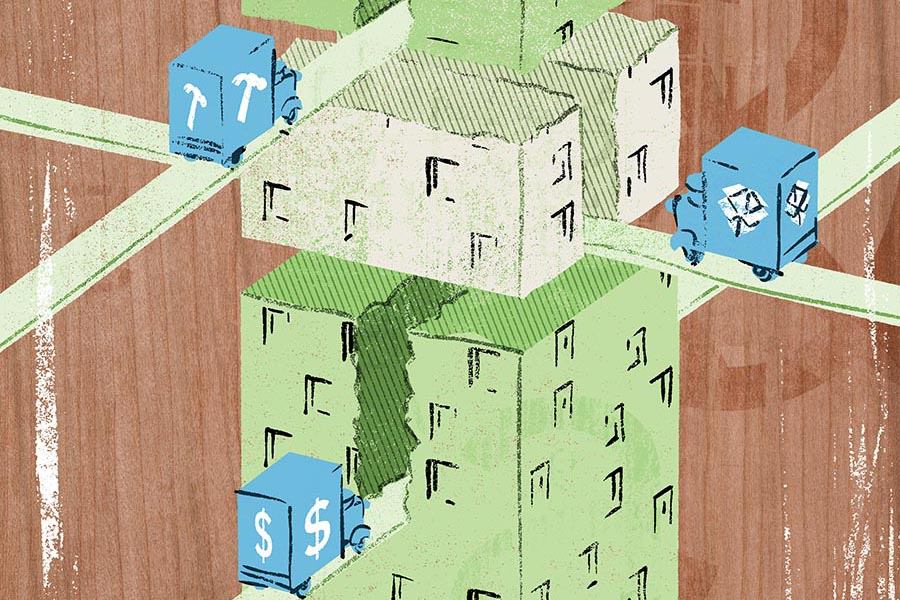
Consider the resurgence in fractured condos—where a minority of units in an existing condo tower has already been sold—as investors flock to the opportunities presented by these properties. Investors with the equity and intestinal fortitude to persevere have found some great bargains in cities such as Miami, Phoenix, and Las Vegas by taking on fractured developments. Still, the numbers vary significantly by market. (For the best- and worst-performing markets, see “Winners and Losers,” opposite.)
The greatest successes have come in reinvesting distressed condo deals, particularly those that pass a highly amenitized, great location Real Estate 101 litmus test. “Calling it a rebound is probably too strong, but what we are seeing is that there is opportunity in the distressed debt on buildings that can be purchased at a price that is a once-in-a-lifetime opportunity for investors and for end buyers to get something at prices they couldn’t possibly see in a normal market,” says Jack Rodgers, an executive with Ironshore Capital, a Fort Lauderdale, Fla.–based investment firm specializing in all-cash acquisitions of distressed real estate.
In January, Ironshore completed the purchase and turnaround of the remaining 12 units at the Water’s Edge, a seven-story, 17-unit oceanfront condominium community in Jacksonville, Fla., that already has three hard contracts and is working on five additional offer sheets. “We’ve had 400 people through the building, and the price opportunity is what is driving that interest,” Rodgers says. “Sales are a function of location and discount to peak, which runs anywhere from 40 percent to 60 percent, and discount to peak is where you need to be to get consumers to move.”
