
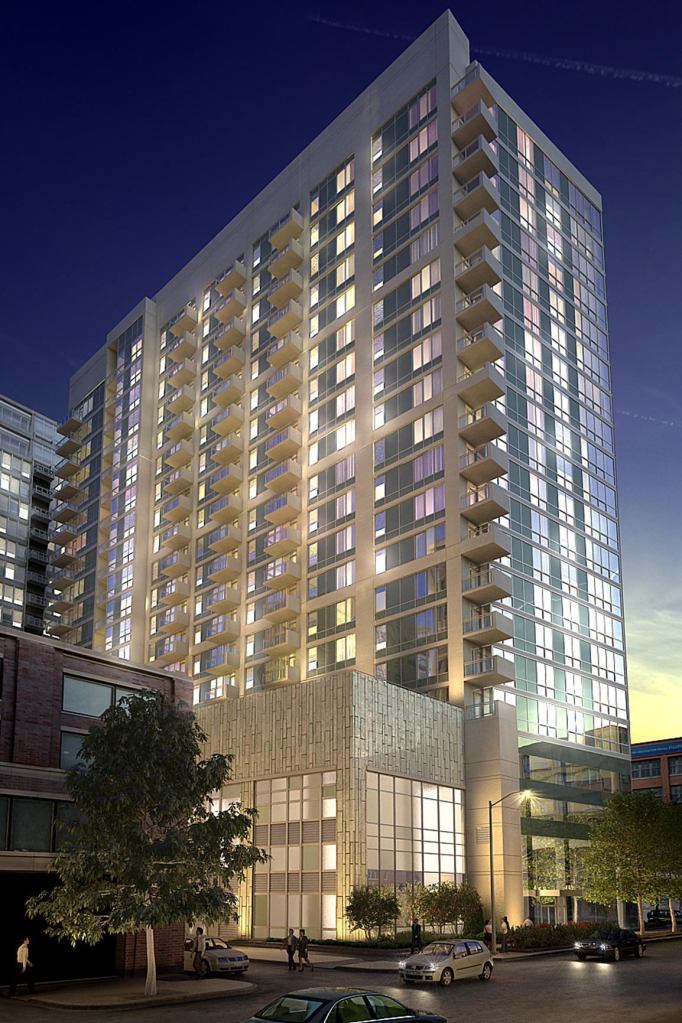
Now that the trading of apartments has begun to slowly pick up again, divining cap rates as a means to calculating risk-adjusted yields on replacement costs should be a no-brainer, but even industry veterans with stacks of equity and little interest in pursing development warn that current cap rates might not be a dependable barometer of multifamily asset worth. In short, prices are reaching so-called “artificial” highs because there’s way too much money chasing relatively few assets.
“In the past three months, deal flow has been great,” says Bill Stahlke, head of acquisitions for Atlanta-based Lane Co. and president of Lane Asset Management. “The problem that I see—and why we have not purchased anything—is that there is a feeding frenzy going on amongst buyers which has resulted in cap rate compression. I think cap rates have compressed 100 basis points in the last three quarters alone, and we’re right back to where we were in 2004 and 2005 trying to financially engineer deals out of a supply/demand imbalance.”
Although high trading prices traditionally benefit the development sector, trepidation in the capital markets amongst skittish bankers and deal- and yield-hungry equity players has dollars for land acquisition and development activity on the sidelines. “On the construction front, the banks are starting to look at lending, but frankly I think the equity is a little bit ahead of them,” says Tim Peterson, chief financial officer for Boca Raton, Fla.-based Altman Cos. “They look at their financial statements and recognize the need to do construction lending, and then they get pounded by the regulators on their loan portfolio and get extremely nervous about adding anything to it. You have to catch them coming out of the right meeting.”
