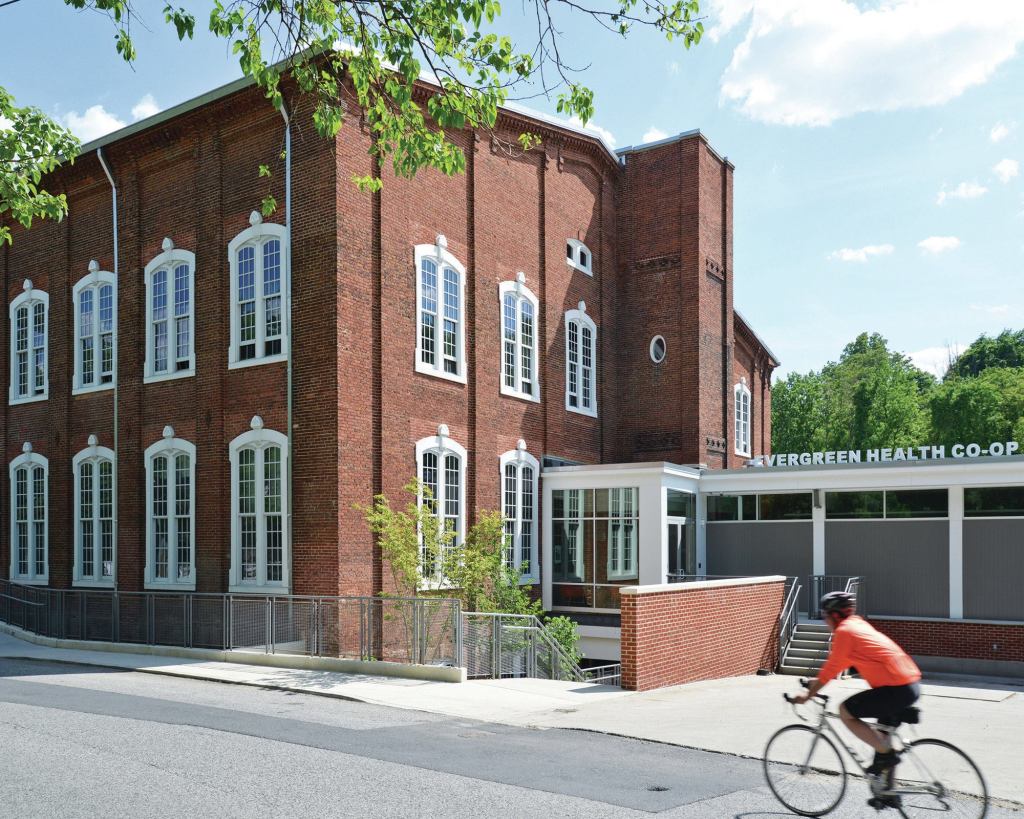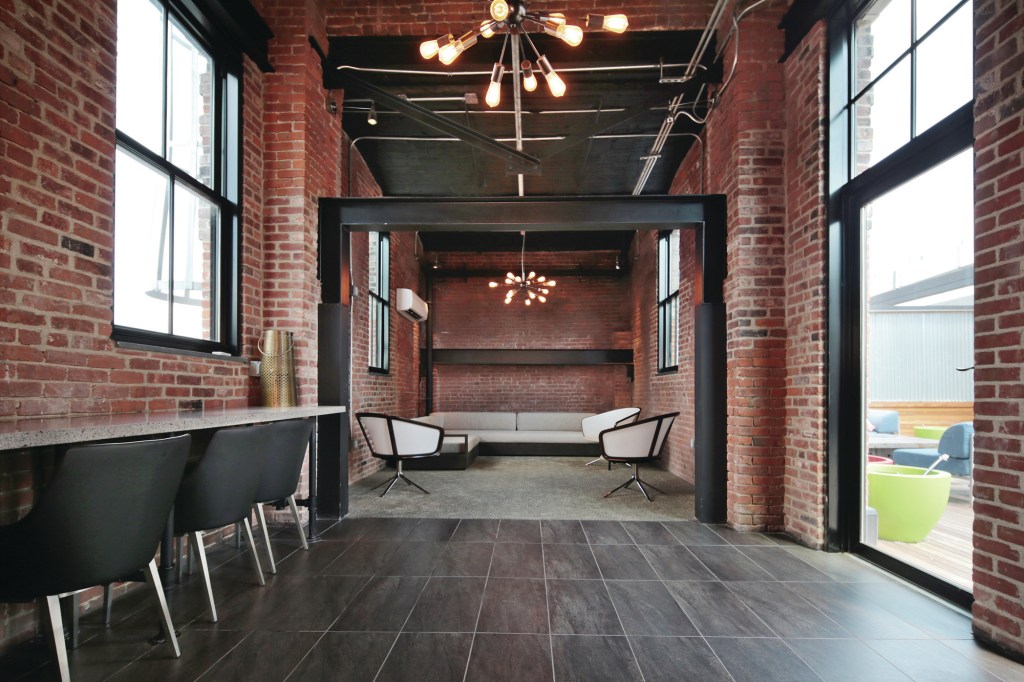
Adaptive-reuse development is a tough balancing act. While renters seek on-trend design and amenity offerings, they’re also attracted to projects that preserve historic charm and authenticity. Striking this balance requires creativity and flexibility on the part of developers and designers as they undertake renovation of buildings that have sometimes fallen into significant disrepair. Still, adaptive reuse offers the unique opportunity to create a community unlike anything else in one’s portfolio or on the market.
The following projects are former winners of the annual Multifamily Executive Awards in the Adaptive Reuse category, recognized for innovative and historically sensitive approaches. If your project boasts a balanced design blend of new and old details, consider entering this year’s Multifamily Executive awards. Start your application here.
-
Former Folger’s Factory Gets a Second Chance
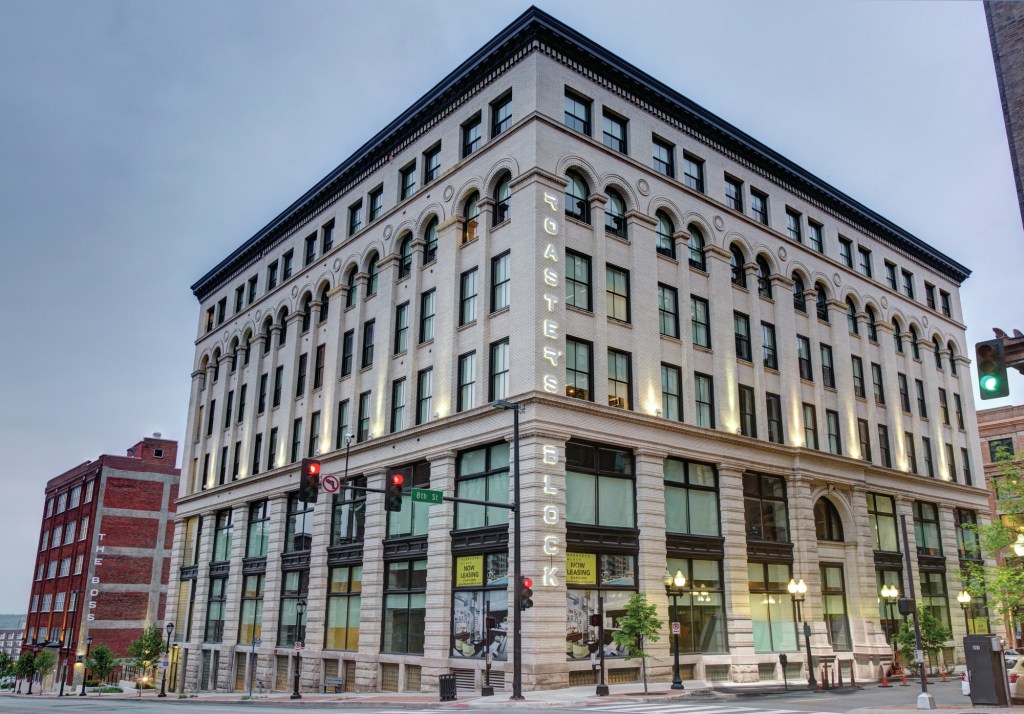
2017 MFE Awards, Adaptive Reuse, Grand: Roaster's Block
-
Loft-Style Units Characterize This Revamped Warehouse
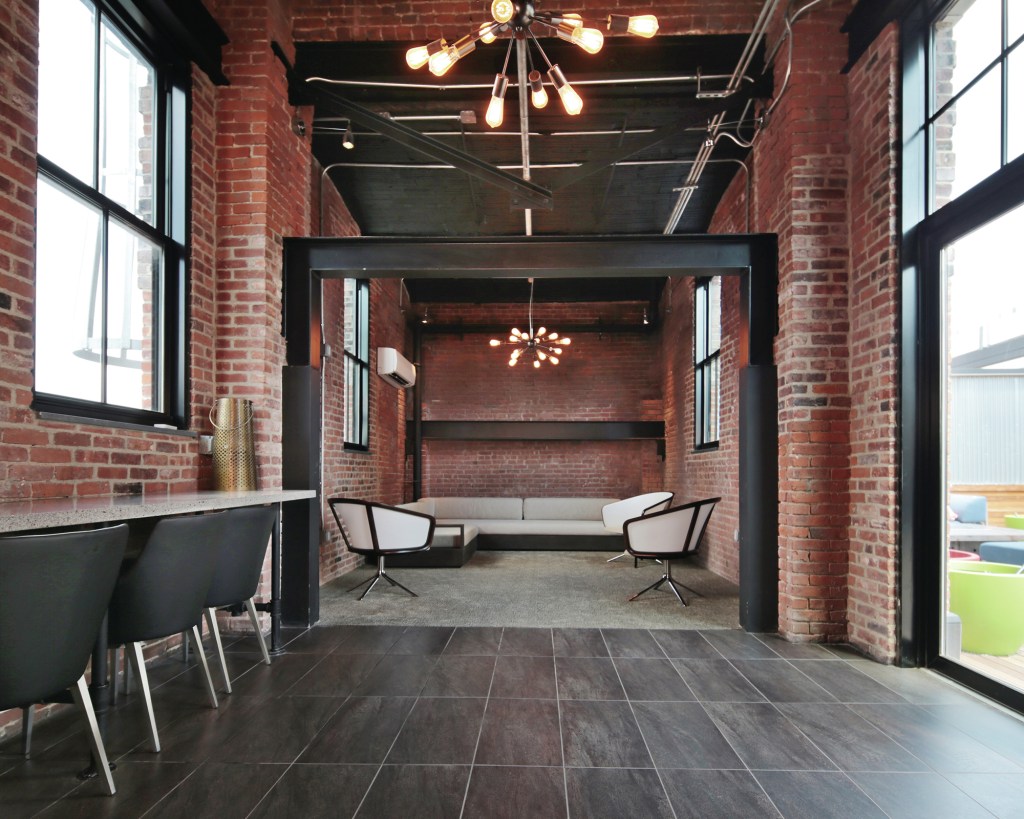
2017 MFE Awards, Adaptive Reuse, Merit: Modera Lofts
-
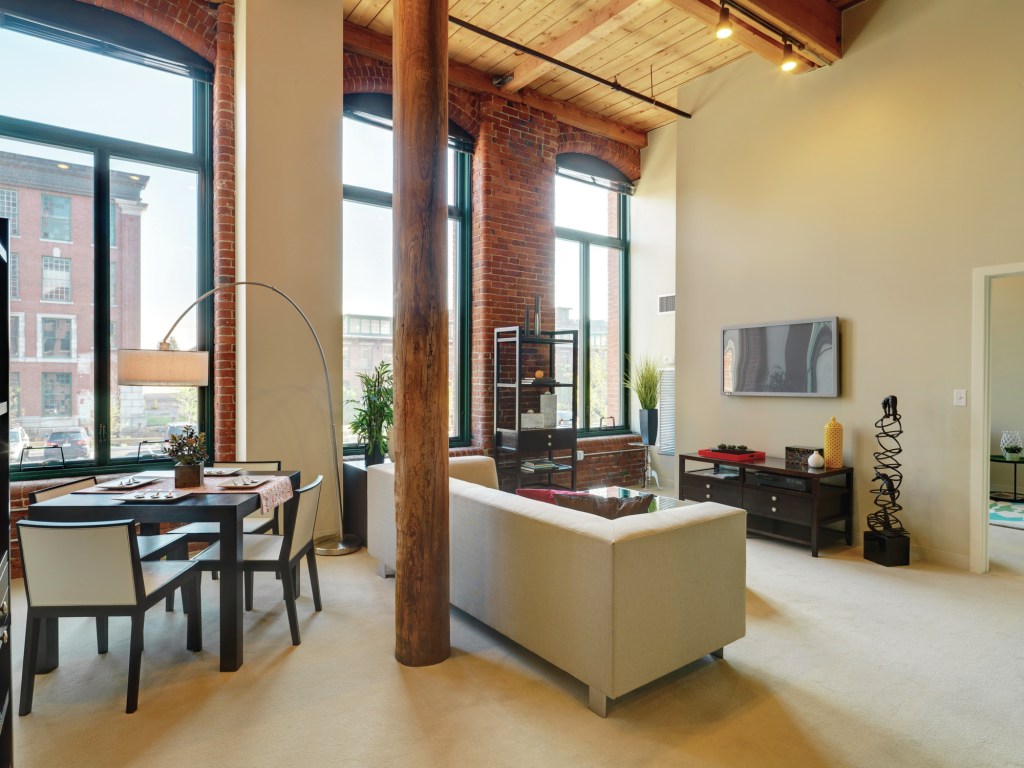
Revived Mill Brings Affordable Housing to Massachusetts Town
2016 MFE Awards, Adaptive Reuse, Grand: Loft Five50
-
Jersey City Apartments Give New Life to Iconic Art Deco Hospital
2016 MFE Awards, Adaptive Reuse, Merit: Beacon Criterion

-
City Saves 147-Year-Old Brewery And Creates Affordable Artists' Housing
Our Editors' Choice is this reuse of a 147-year-old brewery that was a local icon but over the years had grown into an eyesore whose facilities hadn’t been used in over a decade. But rather than tear it down, the city decided preservation was in order.
Brought to you by Universal Forest Products
-
Adaptive Reuse, Grand: ElseWarehouse
ElseWarehouse is a perfect example of the old adage to not judge a book by its cover. Though the building exterior is plain, the inside is anything but ordinary.

-
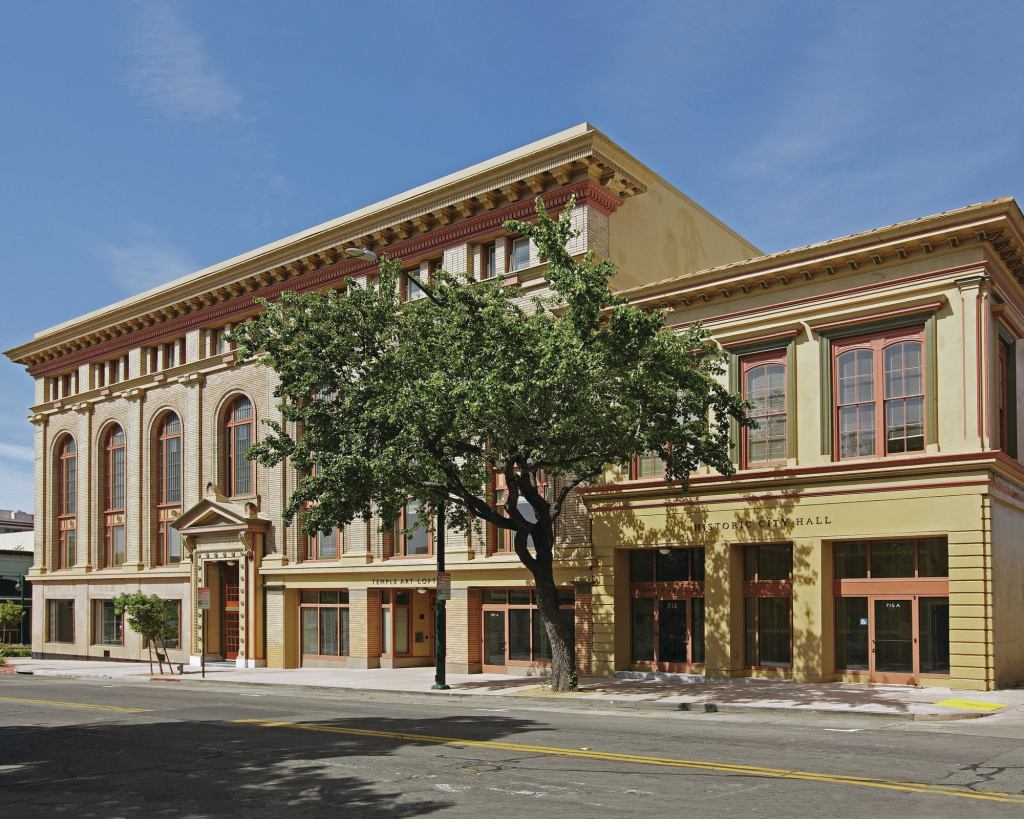
Adaptive Reuse, Merit: Temple Art Lofts
Vallejo, Calif., was hit hard by the Great Recession, with the city declaring bankruptcy in 2008. Among the casualties were two long-vacant landmark buildings slated for condo development that went into foreclosure the next year. Irvine, Calif.–based Domus Development salvaged the structures—the original City Hall, built in 1872, and the Masonic Temple, built in 1917—and renovated them as the mixed-use Temple Art Lofts.
-
Adaptive Reuse, Merit: Mount Vernon Mill No. 1
The conversion of a shuttered Baltimore cotton mill into a mixed-use community has taken big steps toward helping preserve America’s industrial past.