

Daniel Hertzberg
Renaissance Apartments
Chicago
Owner: Preservation of Affordable Housing, Boston Selected renovations: Installation of central air-conditioning; new kitchens; new bathrooms; new flooring; new roofing Project cost: $4.5 million Investment per unit: $40,000 Rent increase per unit: $250 to $600 for a handful of Sec. 8 units, but residents’ rents (30% of their net income) did not change Rents after rehab: $600 to $1,200 Pre-rehab occupancy: 94% Post-rehab occupancy: 97% Target ROI: N/A: Since POAH intends to hold Renaissance indefinitely, the organization’s goal is not ROI, but the long-term stability of the property.
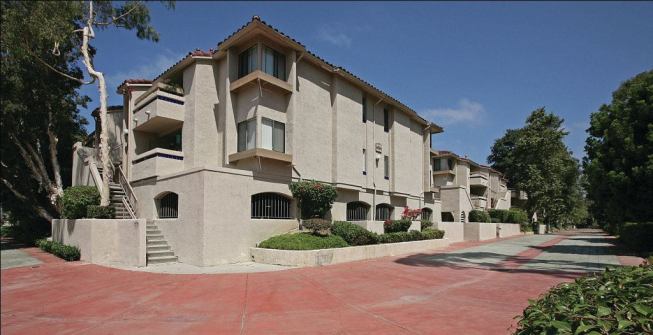
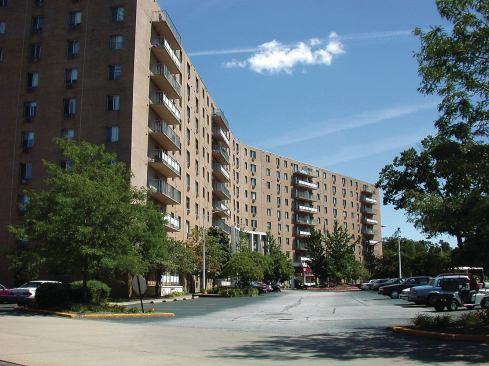
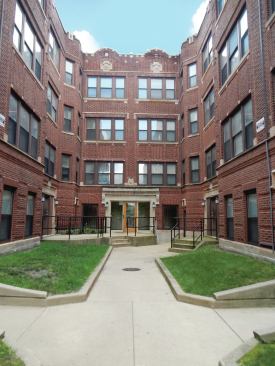
The Situation: Unlike many of the other properties featured in this year’s ARI report, Renaissance Apartments does not stand alone; it belongs to a multimillion-dollar effort to revitalize the economically challenged South Side Chicago neighborhood of Woodlawn. The effort is being led by Preservation of Affordable Housing (POAH), a Boston-based nonprofit that is creating mixed-income neighborhoods through developing new and rehabbing existing rental properties. Renaissance, built in the 1920s with a mix of one-, two-, three-, and four-bedroom units, qualified for rehab. “It had been an affordable property that was owned by Aimco,” which sold it to POAH in 2011, recalls William Eager, POAH’s vice president for the Chicago area. “It was well occupied and in pretty good shape, but it was outdated.”
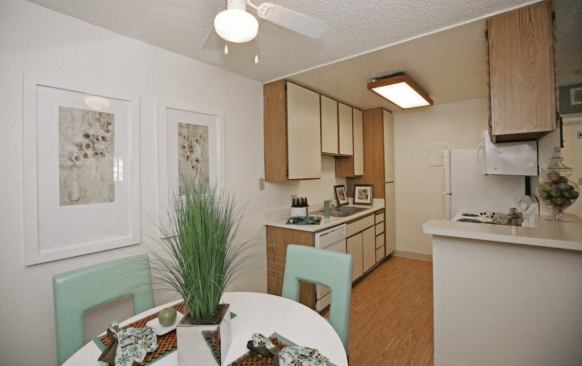
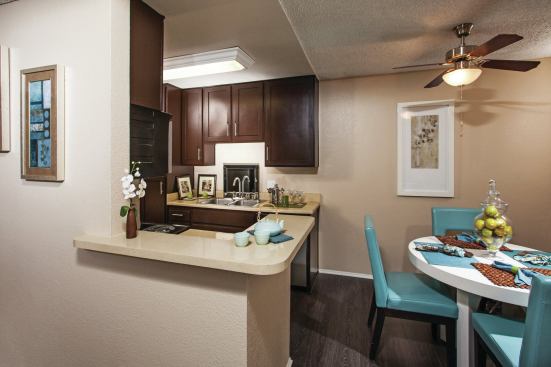
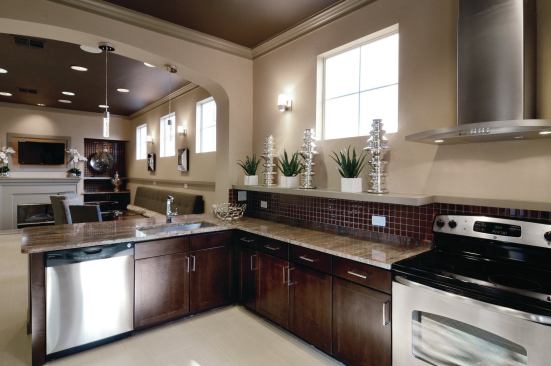
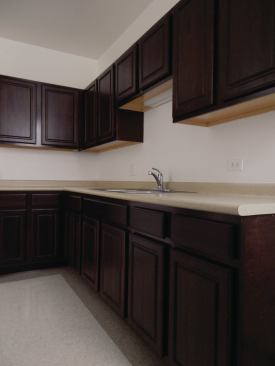
The Decision: The first order of business at Renaissance? Replace the window air-conditioning units with central air-conditioning. “We always want to set up properties for the next 20 to 30 years, because we buy things intending to keep them,” Eager says. Installing central AC promised to not only improve energy efficiency and comfort at Renaissance, but also raise the overall value of the 117-unit property for future investors. POAH also installed new kitchens, bathrooms, flooring, and roofing, along with other updates at the brick walk-up property. “We’re not doing super–high-end stuff,” Eager says. “We just want to look like nice, safe, decent housing.” Like market-rate owners do, POAH renovated Renaissance while it was occupied, using two vacant apartments as “hotel units” to house residents while their units were under renovation.
The Result: One year and $4.5 million later, the tax-credit property is nearly fully occupied, by a mix of residents who meet the minimum and maximum area median income requirements.