
“While Asheville is unique in many ways, it is also a typical tertiary market in that just a handful of developments could level rents much faster than in a major market. Because of this, location, product type, design and construction quality must be considered carefully,” says Biltmore Farms CFO Paul Szurek. “The multifamily component of Town Square offers all of the amenities you would expect from a Class A project, but the amenity that makes it most unique is its location within a major mixed-use project and how that location meets demand for this type of living in Asheville.”
Reynolds Village, a $225 million downtown-style project by Reynolds Mountain developers and Raleigh-based Cherokee Investment Partners, is another example of strategic sub-market selection. Located in Woodfin, a formerly blue-color dominated market just three miles north of downtown, the project will include office space, unique restaurants and retail, as well as 300 residences ranging from $300,000 condos to multi-million dollar homes. From an environmental standpoint, one of the most popular features of Reynolds Village is its location on a former landfill turned struggling public golf course.
The market’s newest condominium development also hinges on environmental considerations. The planned 336-unit property is slated for a site in the southern portion of the market, on Hendersonville Road, and was given the go-ahead based partially on its ability to reduce commutes and congestion with a location along U.S. 25 as well as its ability to deliver units that follow environmental building standards to reduce energy use. With 16 buildings and four commercial structures, the project also must build in a way that protects against storm damage with rain gardens, underground tanks and retention ponds.
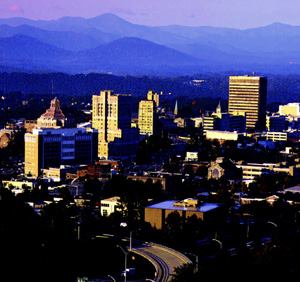
DOWNTOWN BUILDING UP Compared to suburban markets, downtown Asheville looms large with a population that during the workweek can swell from 75,000 to more than 150,000 people, many of which work and would like to also live downtown. Yet with land costs at $1 million per acre and higher, building must be strategic and typically must go vertical.
Because of Asheville’s lower median income, there also continues to be a demand for lower-income housing alternatives. To continue to help meet demand, local officials are now seeking out developers experienced in this product type and have earmarked land for this purpose.
“The city has established a housing trust fund to promote affordable housing projects and is looking at other incentives to promote healthy green building, public greenway development, and provision of public space and public art,” Powers says.
Demand for Asheville’s affordable housing has driven values to between $25,000 and $40,000 per unit.